Home/Guides/How to prevent frozen pipes
Guide
How to prevent frozen pipes: before and during a freeze
Water expands as it freezes, and that pressure can split a pipe. A few steps before winter and during cold snaps prevent most frozen pipes, and the right response limits damage when one freezes anyway.
The short answer
Before winter, drain and store hoses, close indoor valves to outdoor faucets and insulate exposed pipes. During a cold snap, let cold water drip from faucets on exposed pipes, open cabinet doors under sinks, keep the garage closed and keep the thermostat at the same temperature day and night. If you go away, leave the heat on at no lower than 55°F, as the American Red Cross advises.
If a pipe freezes, never thaw it with an open flame.
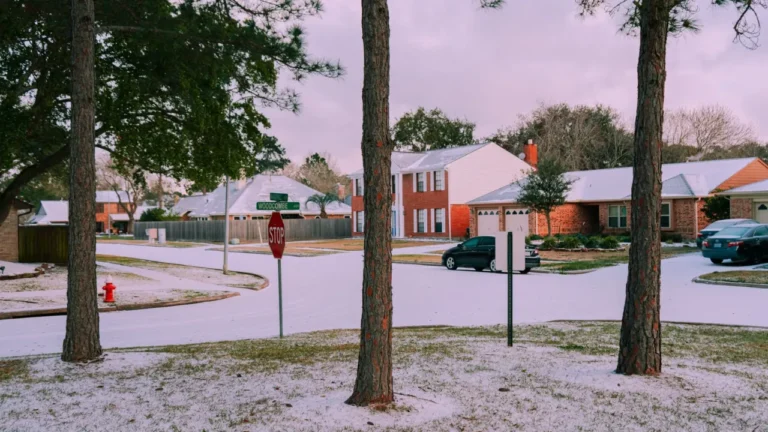
Why pipes freeze and burst
The American Red Cross explains that water expands as it freezes, putting tremendous pressure on whatever holds it, including metal or plastic pipes. The pipes most at risk:
- Pipes exposed to severe cold, such as outdoor hose bibs, swimming pool supply lines and sprinkler lines.
- Water supply pipes in unheated areas – basements, crawl spaces, attics, garages and kitchen cabinets.
- Pipes that run along outside walls with little or no insulation.
Before cold weather
- Hoses and outdoor faucets. Remove, drain and store outdoor hoses. Close the indoor shutoff valves that feed outdoor hose bibs, then open the outdoor faucet to let it drain.
- Pools and sprinklers. Drain supply lines following the maker’s or installer’s directions.
- Insulation. Add insulation to attics, basements and crawl spaces. On exposed pipes, the Red Cross suggests pipe sleeves or UL-listed heat tape or heat cable. Follow the product instructions exactly.
- Know your main shutoff. Find the main water valve and make sure it turns, so you can stop the water fast if a pipe bursts.
- Heating check. Have the furnace or heat pump serviced in the fall – see furnace maintenance and heat pump maintenance.
During a cold snap
- Drip faucets. When it is very cold outside, let cold water drip from faucets served by exposed pipes. Moving water is less likely to freeze, and an open faucet relieves pressure.
- Open cabinet doors in kitchens and bathrooms so warmer room air reaches the plumbing. Move cleaning products out of reach of children first.
- Keep the garage closed if water lines run through it.
- Hold the temperature steady. The Red Cross advises keeping the thermostat at the same temperature day and night. Skip the overnight setback during a deep freeze.
Keep the heat working
Your heating system is the main defense. If the furnace or heat pump struggles, the coldest corners of the house – where pipes often run – cool first.
- Furnace off or cycling? Work through furnace not working and furnace short cycling.
- Heat pump blowing cool air? See heat pump blowing cold air and our heat pump guide.
- Using a space heater to protect a cold room? Follow space heater safety rules every time.
When you are away
- Leave the heat on. The Red Cross advises a setting no lower than 55°F while you are gone in cold weather.
- Ask someone to check the house during a cold snap, especially if the power or heat could fail.
- For a long absence or a seasonal home, ask a plumber about shutting off the main water and draining the lines.
- A smart thermostat or a low-temperature alert can warn you if the heat stops.
If a pipe freezes
If you turn on a faucet and only a trickle comes out, suspect a frozen pipe. The Red Cross steps:
- Keep the faucet open. As the ice melts, water will start to flow, and running water helps melt the rest.
- Apply gentle heat to the frozen section with an electric heating pad wrapped around the pipe, an electric hair dryer, a portable space heater kept away from anything flammable, or towels soaked in hot water.
- No open flames. Do not use a blowtorch, kerosene or propane heater, charcoal stove or any open-flame device.
- Check other faucets in the house for more frozen pipes.
- Call a licensed plumber if you cannot find the frozen area, cannot reach it, or cannot thaw it.
Keep electrical appliances away from standing water, and never use them while you are standing in water.
If a pipe bursts
- Shut off the main water valve right away.
- If water is near outlets, appliances or the electrical panel, stay out of the water and call a licensed electrician or your utility before going near it.
- Call a licensed plumber, move belongings out of the way, and take photos for your insurer.
If your heat goes out
A heating failure in freezing weather threatens pipes and people. Call a heating company that takes emergency calls – our emergency guide covers what to do while you wait. Never heat the home with an oven, a grill or a generator; run a generator only outdoors, away from the house. See the carbon monoxide safety guide.
Sources
- American Red Cross: Preventing & Thawing Frozen Pipes (checked October 2026)
Find an HVAC company near you
Local heating and cooling companies by metro area, listed A to Z with phone numbers, services and emergency options.
Questions
At what temperature do pipes freeze in a house?
It depends on how exposed the pipe is and for how long. Pipes in unheated spaces and along outside walls freeze first in a hard cold snap. The Red Cross advises keeping the heat at no lower than 55°F when you are away in cold weather.
Should I drip all my faucets to prevent frozen pipes?
Focus on faucets served by exposed pipes – on outside walls or in unheated spaces. Let the cold water drip when the weather is very cold, as the Red Cross advises.
How do I thaw a frozen pipe safely?
Keep the faucet open and warm the frozen section with an electric heating pad, hair dryer, space heater kept clear of flammables, or hot wet towels. Never use an open flame. Call a licensed plumber if you cannot reach or thaw it.
Should I keep the heat on when I leave in winter?
Yes. The Red Cross advises leaving the heat on at no lower than 55°F while you are away in cold weather.
Related guides
Updated October 2026 by the Heating and Cooling editorial team. General information for homeowners, not professional advice – rules and equipment differ. When gas, carbon monoxide, electricity or anyone’s safety is involved, call 911 or your utility. How we write our guides · HVAC glossary