The short answer
A heat pump is an air conditioner that can run in reverse. In summer it moves heat out of the house; in winter it pulls heat from outdoor air (or the ground) and moves it in. Modern cold-climate models keep heating well below freezing, but output falls as it gets colder, so most homes in cold regions pair one with backup heat.
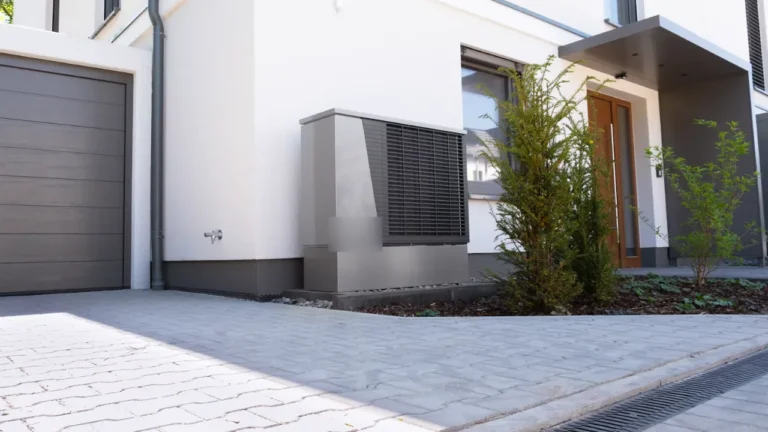
How a heat pump works
Like an air conditioner, a heat pump pumps refrigerant between an indoor coil and an outdoor coil. A part called a reversing valve switches the direction of flow, so the same equipment can either remove heat from the house or bring it in. Because it moves heat rather than burning fuel to make it, a heat pump can deliver more heat energy than the electricity it uses – often two to four times as much, depending on the outdoor temperature.
The main types
- Ducted air-source: replaces a central AC (and often a furnace) and uses your existing ducts.
- Ductless mini-split: an outdoor unit feeds one or more wall, ceiling or floor units. Good for homes without ducts, additions and problem rooms.
- Dual fuel: a heat pump paired with a gas furnace that takes over in the coldest weather.
- Geothermal (ground-source): exchanges heat with the ground through buried loops. It costs more to install but the ground stays at a steady temperature, so it runs efficiently year round. See our geothermal guide.
How heat pumps handle cold weather
As outdoor air gets colder, a heat pump has less heat to collect, so its output and efficiency drop. The point where it can no longer keep up on its own is called the balance point. Below it, backup heat makes up the difference – electric auxiliary heat strips or, in a dual-fuel system, a furnace. Cold-climate models are built to keep producing useful heat at much lower temperatures than older units. If you live somewhere with hard winters, ask the installer for the equipment’s heating capacity at low outdoor temperatures, not just its rating.
What living with a heat pump feels like
- Longer, gentler cycles. Air from the vents feels warm rather than hot, and the system runs longer. That is normal.
- Defrost. In cold, damp weather the outdoor unit periodically melts frost off its coil. You may see steam and hear a whoosh; the defrost cycle lasts a few minutes.
- Emergency heat. The “Em heat” setting runs backup heat only. Use it when the heat pump has failed, not as a normal setting – it costs more to run.
- Variable speed. Many newer heat pumps adjust their output smoothly – see variable-speed.
Ratings to compare
For cooling, look at SEER2; for heating, HSPF2. Higher is more efficient. COP describes efficiency at one temperature. Our ratings guide explains each one and the federal minimums.
Heat pump or furnace?
There is no single right answer. Questions that decide it:
- Climate. Mild winters favor a heat pump alone; very cold winters favor a cold-climate model with backup, or dual fuel.
- Fuel and electricity prices where you live, and whether you have gas at all.
- What needs replacing. If your AC is failing anyway, a heat pump replaces it and adds heating. If your furnace is young, dual fuel can make sense.
- Ducts and electrical capacity. Ductless systems avoid ductwork; some homes need an electrical panel upgrade.
- Incentives. Utility rebates and federal or state programs change often – check your utility and energystar.gov for what applies now.
Getting it installed right
Sizing matters more with heat pumps than with furnaces. Ask for a load calculation (see our sizing guide), the heating capacity at your area’s cold design temperature, how backup heat is controlled, where the outdoor unit will sit (above snow line in cold areas), and how condensate from defrost will drain.
Find an HVAC company near you
Local heating and cooling companies by metro area, listed A to Z with phone numbers, services and emergency options.
Questions
Do heat pumps work in cold weather?
Yes, but output and efficiency fall as temperatures drop. Cold-climate models keep producing useful heat well below freezing. In hard-winter areas most systems include backup heat or a gas furnace for the coldest days.
Is a heat pump the same as an air conditioner?
It works the same way in summer. The difference is a reversing valve that lets a heat pump also move heat into the house in winter.
What is emergency heat on a heat pump thermostat?
A setting that runs only the backup heat. Use it if the heat pump has failed. It usually costs more to run than the heat pump.
Why is steam coming from my heat pump in winter?
It is probably defrosting. The unit briefly reverses to melt frost from the outdoor coil, which can release steam. A few minutes of it is normal.
Related guides
Updated October 2026 by the Heating and Cooling editorial team. General information for homeowners, not professional advice – rules and equipment differ. When gas, carbon monoxide, electricity or anyone’s safety is involved, call 911 or your utility. How we write our guides · HVAC glossary