The short answer
Start with the filter: a clogged one makes the furnace overheat until a safety switch shuts the burner off. Then look at where the thermostat sits and check outdoor vent pipes for snow or debris. A dirty flame sensor, a blocked flue or an oversized furnace need a technician.
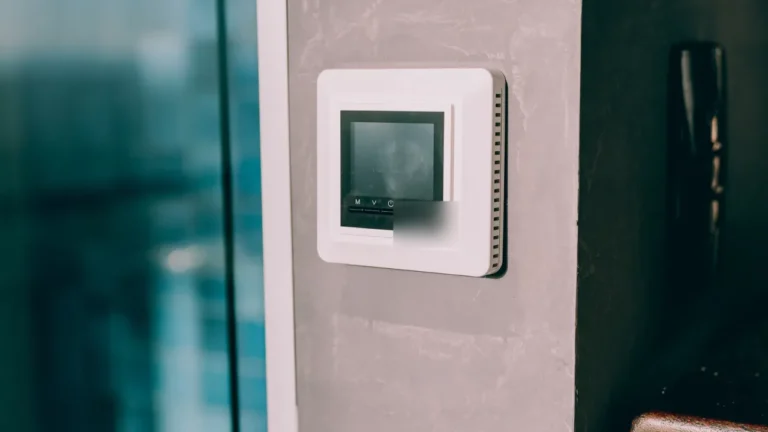
What short cycling looks like
Short cycling means the furnace starts and stops much more often than it should, shutting off before the house reaches the temperature you set. Signs include:
- The burner lights, runs a few minutes, and goes out – then repeats.
- The burner lights and goes out within seconds.
- Some rooms stay cool while the furnace seems to run constantly in short bursts.
- A blinking error light on the control board after several tries.
Frequent starts wear out the igniter, motors and controls faster, and the furnace spends more of its time in the least efficient part of each cycle.
Dirty filter and the limit switch
This is the first thing to check. A clogged filter starves the furnace of air, the heat exchanger overheats, and a limit switch shuts the burner off to protect it. Once it cools, the furnace starts again – and the cycle repeats. ENERGY STAR advises inspecting, cleaning or changing filters once a month and warns that a dirty filter can damage equipment.
Replace the filter, open closed supply vents and clear blocked return grilles. If short cycling stops, that was it. See our air filter guide.
A dirty flame sensor
If the burner lights and goes out within seconds, the flame sensor is a frequent cause. It is a small metal rod that confirms a flame is present. When it is coated with residue, the control cannot “see” the flame and shuts the gas off as a precaution. After a few failed tries, many furnaces lock out.
Cleaning the sensor is routine during a tune-up. Because it sits next to the burners and gas valve, leave it to a technician unless you are trained.
Thermostat placement and settings
- Location. A thermostat near a supply register, in direct sun, next to a lamp or TV, or near a kitchen or drafty door reads the wrong temperature and switches the furnace off early or on too often.
- Batteries and wiring. Weak batteries or a loose wire can make it cut in and out.
- Cycle settings. Many digital and smart thermostats have a setting for how often the system cycles, and it should match the equipment. The installer or manual will say which to use.
If the thermostat is badly placed, ask a technician about moving it to an inside wall in a central room. Our thermostat settings guide covers setpoints and schedules.
An oversized furnace
A furnace that is too big for the house heats the air near the thermostat very quickly, satisfies it, and shuts off – long before the rest of the house evens out. It then starts again soon after. This is common when a replacement was sized by matching the old unit or by square footage instead of a load calculation.
There is no quick fix for oversizing, though a two-stage or variable-speed furnace can soften it. If you are replacing the furnace, ask for a room-by-room load calculation. Our sizing guide explains what to ask for.
Blocked vents, flue or intake
A furnace that cannot get rid of its exhaust shuts itself down. A pressure switch checks that the inducer fan is moving exhaust through the flue or vent pipes; if they are blocked, the switch stops the burner. On high-efficiency furnaces with two plastic pipes out a side wall or the roof, check outside for snow, ice, leaves or nests and clear them if you can safely reach.
A blocked vent can also push exhaust into the house. Make sure your carbon monoxide alarms work, and if a vent pipe inside is loose, rusted or disconnected, turn the furnace off and call. See the carbon monoxide safety guide.
Other causes a technician checks
- A weak igniter or failing inducer motor.
- A clogged condensate drain or trap on a condensing furnace, which can trip a safety switch.
- Gas pressure and burner combustion – both on ENERGY STAR’s list for a contractor heating check.
- A limit switch that is failing rather than doing its job.
- Ductwork too small or restricted for the furnace, which keeps it running hot.
When to call
Call a technician if a fresh filter and a clear outdoor vent do not stop the cycling, if the burner goes out within seconds, if the furnace locks out with an error code, or if you notice soot, scorch marks or a burning smell. Note the blink code before you call. If you smell gas, leave first and call 911 or your gas utility from outside. Our furnace not working guide covers lockouts and resets.
The U.S. Consumer Product Safety Commission advises having the heating system professionally inspected and serviced every year – see furnace maintenance.
Sources
- ENERGY STAR: HVAC Maintenance Checklist (checked October 2026)
- U.S. Consumer Product Safety Commission: Carbon Monoxide Questions and Answers (checked October 2026)
Find an HVAC company near you
Local heating and cooling companies by metro area, listed A to Z with phone numbers, services and emergency options.
Questions
What causes a furnace to short cycle?
Common causes are a clogged filter that trips the limit switch, a dirty flame sensor, a poorly placed thermostat, blocked vent pipes and an oversized furnace. Start by replacing the filter.
Is furnace short cycling dangerous?
Usually it is a wear and comfort problem, but it can be a sign of overheating or of exhaust not venting properly. Make sure CO alarms work, and have a technician look if a new filter does not fix it.
How do I stop my furnace from short cycling?
Replace the filter, open vents and returns, clear outdoor vent pipes and check thermostat batteries and placement. If that does not stop it, a technician can clean the flame sensor and check the limit switch, venting and sizing.
Can an oversized furnace cause short cycling?
Yes. A furnace that is too big heats the area around the thermostat fast and shuts off before the house evens out. A load calculation before replacement helps avoid it.
Related guides
Updated October 2026 by the Heating and Cooling editorial team. General information for homeowners, not professional advice – rules and equipment differ. When gas, carbon monoxide, electricity or anyone’s safety is involved, call 911 or your utility. How we write our guides · HVAC glossary