The short answer
Clean the washable filters in each indoor head. ENERGY STAR says to clean them when they are visibly dirty or when the filter light comes on; check them often – many owners look monthly – and follow your manual. Keep the outdoor unit clear and make sure the condensate drains away. Call a professional for smells that will not go away, a dirty blower wheel, and anything involving refrigerant or wiring.
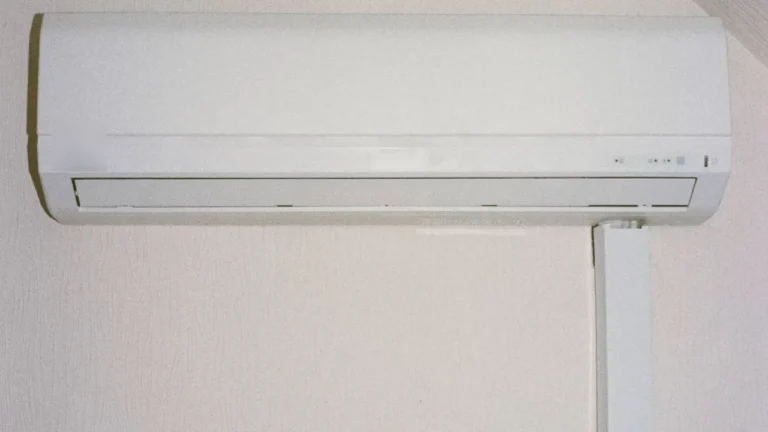
How a mini-split is put together
A ductless mini-split has an outdoor unit connected by a line set to one or more indoor heads on walls, ceilings or floors. Inside each head are a washable filter, a coil, a long barrel-shaped fan called the blower wheel, and a drain pan that catches water the coil pulls from the air. Most mini-splits are heat pumps, so they work in winter as well as summer.
Cleaning the indoor filters
- Turn the head off with its remote or wall control.
- Lift the front panel; it usually swings up and clicks open.
- Slide the mesh filters out.
- Vacuum off loose dust, then rinse with lukewarm water. A little mild dish soap helps with kitchen grease.
- Let them dry completely out of direct sun before you reinstall them.
- Close the panel and reset the filter light if your model has one.
How often? ENERGY STAR says the filters should be cleaned when they are visibly dirty or when the filter light indicates. Check them often – many owners look monthly, more with pets or in heavy-use months – and follow your manual. Some heads also have a second air-cleaning filter that is replaced, not washed, on the schedule in the manual.
Wiping the head
With the head off, wipe the cover and the louvers (the moving vanes that direct air) with a soft, damp cloth. Do not spray cleaner or water into the unit; the electronics sit just inside. Check that the louvers swing freely. Dark specks on the louvers or inside the air outlet are a sign to read the next sections.
Condensate line and drips
Each head drains water through a small hose, usually out through the wall. Find where it ends outside and make sure the end is clear of mud, insects and, in winter, ice. The EPA advises keeping air conditioning drip pans clean and drain lines flowing properly.
Water dripping from the head or running down the wall usually means a clogged drain, a dirty filter or coil, or a head that is no longer level. Turn the unit off to protect the wall and call if a clean filter does not fix it. Some heads use a small condensate pump; if it stops, the head will drip.
Musty smells and mold signs
The coil and blower wheel stay damp while cooling, which can let mold grow. Warning signs:
- a musty or sour smell when the unit starts;
- black specks blowing out, or dark streaks on the blower wheel you can see through the outlet;
- a smell that comes back soon after you clean the filters.
Keeping humidity in check helps: the EPA advises keeping indoor humidity below 60%, ideally between 30% and 50% (see our indoor humidity guide). Many models have a dry or self-clean setting that runs the fan to dry the coil; your manual explains it. Do not spray household cleaners into the head.
The outdoor unit
Keep about two feet clear around it, rinse the fins gently with a hose once the power is off, and keep the base clear so water from defrost cycles can drain. Wall-mounted units should sit level and firmly on their brackets. In winter, keep snow and ice away the same way you would for any heat pump – see heat pump maintenance.
When a pro deep-cleans the head
Filters are only the first layer. Over time dust and grime collect on the coil and blower wheel, which cuts airflow and can feed odors. Cleaning them properly means partly taking the head apart and rinsing it while protecting the wall and electronics, usually with a fitted catch bag. That is a job for a technician. How often depends on use, dust, pets, cooking grease and smells. Ask what the cleaning includes and how they protect the wall.
Leave refrigerant and electrical work to a pro
Call a technician for ice on the pipes or the outdoor unit in summer, an oily patch on the line set or its fittings, a flashing error code, a breaker that trips, or a head that runs but does not heat or cool. Only technicians with EPA Section 608 certification may handle refrigerant. Book professional checks on the schedule your maker recommends, and keep the invoices for warranty purposes.
Sources
- ENERGY STAR: Ductless Heating & Cooling (checked October 2026)
- U.S. EPA: A Brief Guide to Mold, Moisture, and Your Home (checked October 2026)
Find an HVAC company near you
Local heating and cooling companies by metro area, listed A to Z with phone numbers, services and emergency options.
Questions
How often should I clean mini split filters?
ENERGY STAR says to clean them when they are visibly dirty or when the filter light comes on. Check them often – many owners look monthly – and follow your manual.
Why is my mini split dripping water?
Usually a clogged drain line, a dirty filter or coil, or a head that is no longer level. Clean the filter and check the drain outlet outside. If it keeps dripping, turn it off and call a technician.
Why does my mini split smell musty?
Moisture on the coil and blower wheel can let mold grow. Clean the filters and keep humidity in check. If the smell returns, or you see dark specks or streaks, have a technician deep-clean the coil and blower wheel.
Can I clean a mini split blower wheel myself?
Wiping what you can reach with the power off is fine. A thorough cleaning means partly taking the head apart around electronics and water, so most homeowners leave it to a technician.
Related guides
Updated October 2026 by the Heating and Cooling editorial team. General information for homeowners, not professional advice – rules and equipment differ. When gas, carbon monoxide, electricity or anyone’s safety is involved, call 911 or your utility. How we write our guides · HVAC glossary